
Active Warrants in Salt Lake County
Warrants in Salt Lake County come from judges. A District Court judge can issue one in a felony or a major civil case. A Justice Court judge can issue one for a missed traffic date, a small claims matter, or a class B or C misdemeanor. Police and prosecutors ask for warrants, but a judge signs them. Once signed, an active warrant lets officers arrest the named person. The Utah Bureau of Criminal Identification, known as BCI, keeps the statewide file that ties these local warrants together.
Active warrants feed into the Utah Statewide Warrants file. BCI runs a free public search of that file. The data is meant to show who is wanted in Utah, drawn from courts and agencies across the state. Updates depend on the issuing court and the agency, so a brand new warrant, or one cleared minutes ago, may lag in the system. That lag is the main reason a hit always needs a second check with the court named on the record.
Types of Warrants in Salt Lake County
Not every warrant means the same thing. The label tells you why it exists and how to clear it. Salt Lake County courts use several common types, and the type often points to which court holds the file.
- Arrest warrant - Issued after a judge finds probable cause or a charge is filed.
- Bench warrant - Issued when a person fails to appear, fails to comply, or breaks a court or probation order.
- Search warrant - Lets officers search a named place or item; it may stay sealed until a court unseals it.
- Capias or failure-to-appear warrant - Common in Justice Court for a missed traffic or misdemeanor date.
- Civil warrant or order - Tied to civil enforcement, writs, or other court orders.
A bench warrant for a missed date is often the easiest type to fix. A felony arrest warrant is the most serious, and it usually calls for a lawyer.
How to Search Salt Lake County Warrants
The main tool is the Utah Statewide Warrants Search, a free site run through BCI. The Sheriff's Find a Prisoner page also links to it. The search works on a person's name, so you do not need a case number to start. The portal covers warrants statewide, which takes in Salt Lake County courts and agencies. BCI keeps a short help page, Check Your Utah Warrants, that points straight to the search.
- Open the Utah Statewide Warrants Search and read the on-screen instructions.
- Enter the person's first and last name; add a middle initial to narrow common names.
- Run the search and weigh any possible matches against the name and birth date shown.
- If a match appears, write down the case number and the issuing court.
- Call the court listed on the warrant to confirm the hit before you act on it.
The portal can be picky. Common names return more than one possible person, and the tool may not reflect a warrant issued or recalled in the last day or two.
Salt Lake County Warrant Search Fields
The statewide portal keeps the form simple. It searches by name, with a middle initial to help sort common names. Public search descriptions list first and last name as the main fields. State warrant systems used by agencies also support name match types like starts-with, exact, and phonetic, plus a birth date filter that can run as an exact match or a range.
| Field Label | Type | Required | Notes |
|---|---|---|---|
| First Name | Text | Yes | Public search descriptions list first name as required. |
| Middle Initial | Text | No | Helps tell apart common names. |
| Last Name | Text | Yes | Public search descriptions list last name as required. |
| Search | Button | n/a | Runs the statewide warrant search. |
What a Salt Lake County Warrant Record Shows
A warrant result does more than confirm a name. It points you to the court that can clear it, and it shows how serious the matter is. The exact fields vary by court, but a typical record holds these items.
| Field | What It Shows |
|---|---|
| Name / Identifiers | The wanted person's name, and a partial birth date or middle initial if shown. |
| Warrant Number | The unique number assigned to the warrant. |
| Case Number | The court case the warrant ties back to. |
| Issuing Court | The District or Justice Court that signed the warrant. |
| Charge / Offense | The offense behind the warrant, often with a degree or class. |
| Bond Amount | The bail set, or a no-bail notation. |
| Warrant Type / Status | Arrest, bench, or other type, plus active status. |
| Date Issued | The day the court issued the warrant. |
| Agency Contact | The court or agency to call about the warrant. |
The bond amount hints at what it may take to recall the warrant. A no-bail note means a judge must decide release.
What to Do About an Outstanding Salt Lake County Warrant
Finding your own name on a warrant list is stressful, but ignoring it makes things worse. Officers can arrest on an active warrant at a traffic stop, at work, or at home. The safer path is to act through the court, not to wait and hope.
- Verify the warrant with the issuing court, since common names cause false hits.
- Ask whether it can be recalled by paying bail or a fine, setting a hearing, or appearing.
- Talk to a lawyer before you surrender, above all for a felony or probation warrant.
- If you cannot afford counsel, ask the court about appointed defense through the Salt Lake Legal Defender Association.
- After it is resolved, confirm in court records that the warrant is recalled, and allow processing time.
Where the warrant came from changes the fix. A missed traffic date in a Justice Court may clear with a new court date or a payment, depending on the case. A felony warrant from the District Court is more serious, so counsel matters more. A probation warrant means the supervising agency and the court both have to be addressed. A warrant from another county or another state cannot be cleared in Salt Lake County; you contact the jurisdiction that issued it.
Important: Do not turn yourself in at the jail before talking to a lawyer, since an active warrant can lead to immediate arrest and custody.
Salt Lake County Warrant Scam Warning
BCI has put out a clear scam warning, and warrant searchers are common targets. Scammers call from numbers that look like state government lines. They claim you have a warrant and offer to take a payment to clear it.
This is a scam. BCI does not call people to tell them about warrants. It never asks for warrant payments by phone. A real warrant is resolved at the court, not over the phone with a caller who demands money or gift cards. When in doubt, hang up and call the court directly using a number from the official BCI site.
Important: BCI never advises people of warrants by phone and never requests warrant-fine payments, so treat any such call as fraud.
Federal Warrants and the U.S. District Court for Utah
A federal warrant is different from a Salt Lake County warrant. Federal warrants come from the U.S. District Court for the District of Utah, not from a state judge. Federal crimes are charged by the U.S. Attorney and cover matters like federal drug, fraud, firearm, and civil rights cases. The statewide warrant tool does not track federal warrants, so a federal matter needs the federal court.
The federal trial court keeps its own website with case and contact details.
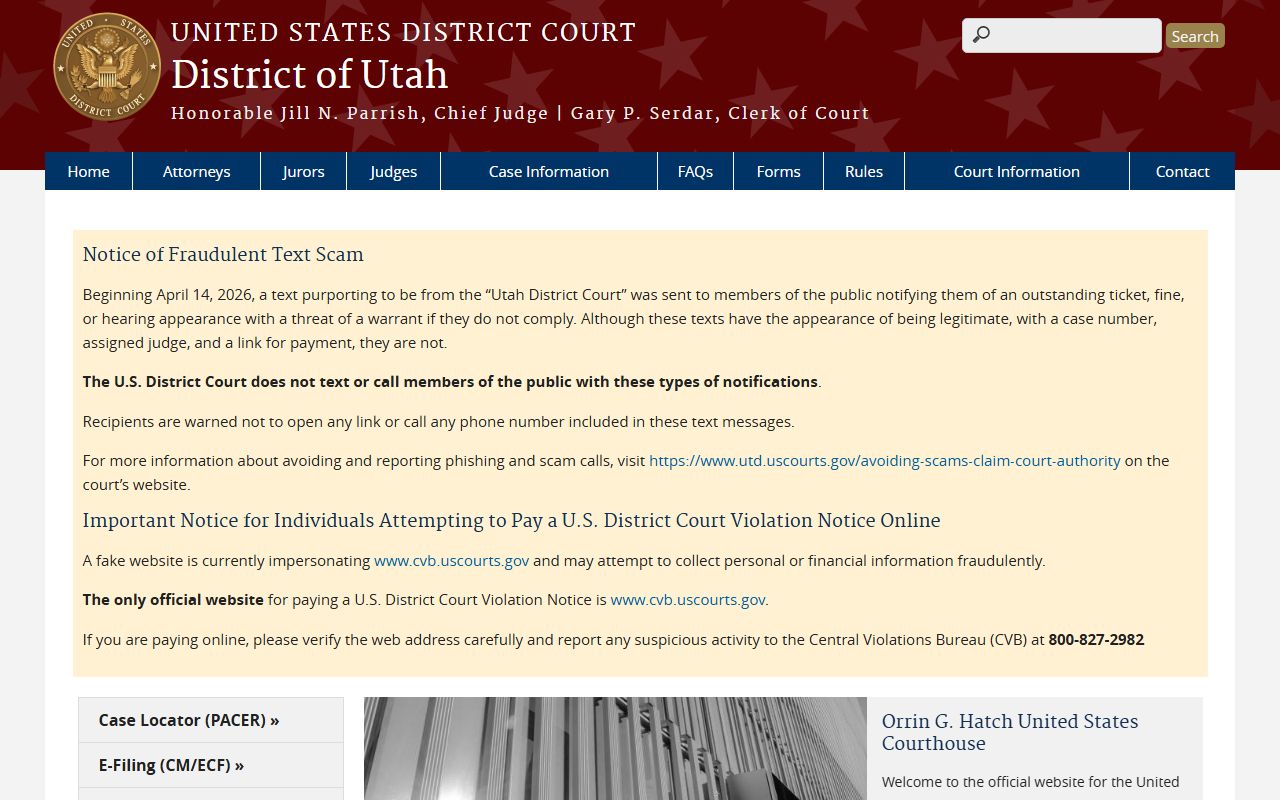
That site, the U.S. District Court for the District of Utah, is the right place to confirm a federal case tied to a federal warrant.
Federal court files are not in the Utah XChange system. They live in the PACER and CM/ECF systems, which charge their own fees and need an account.
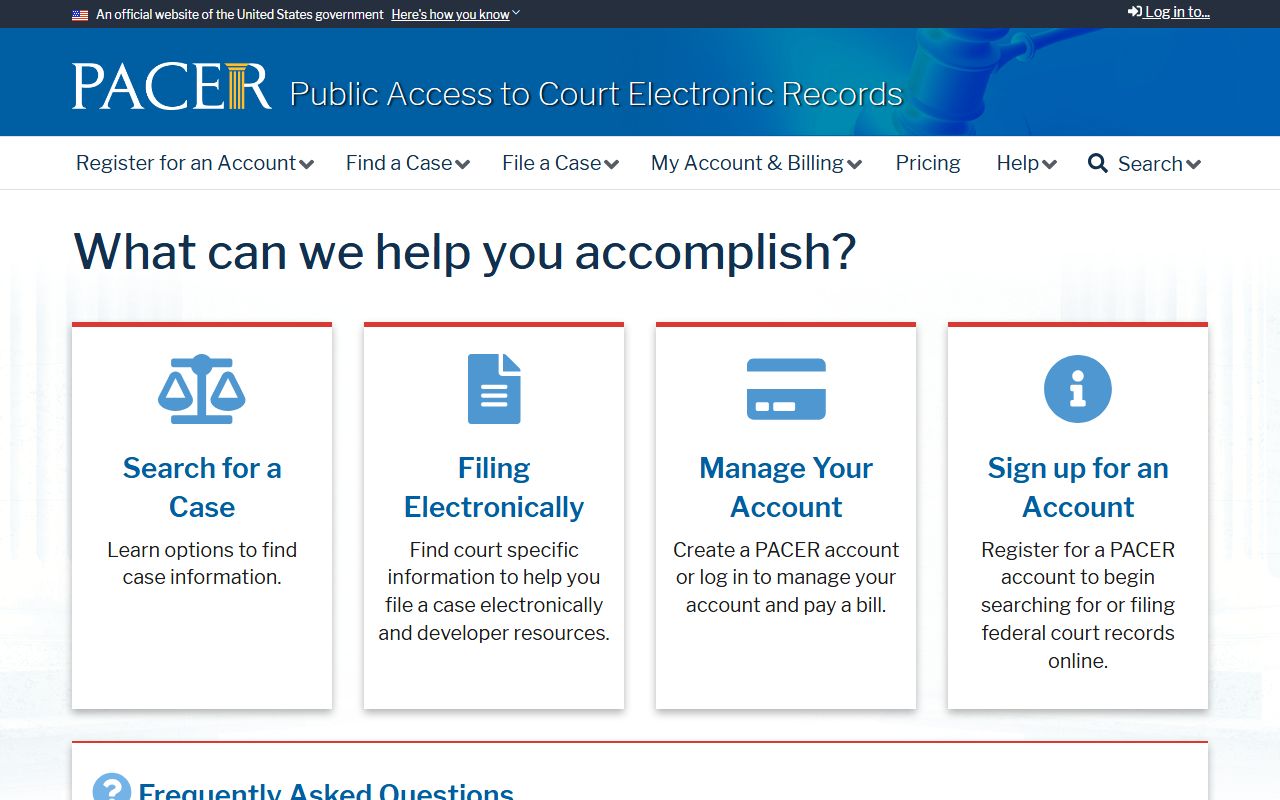
Public access to federal dockets runs through PACER, the federal judiciary's records system, and fee waivers there are limited and need approval.
Attorneys and registered users file and pull dockets through the District of Utah CM/ECF system.
Most one-time searchers use PACER rather than CM/ECF for a single lookup.
Bankruptcy is separate again. It is not in the state District Court, and it is not in the federal criminal court.
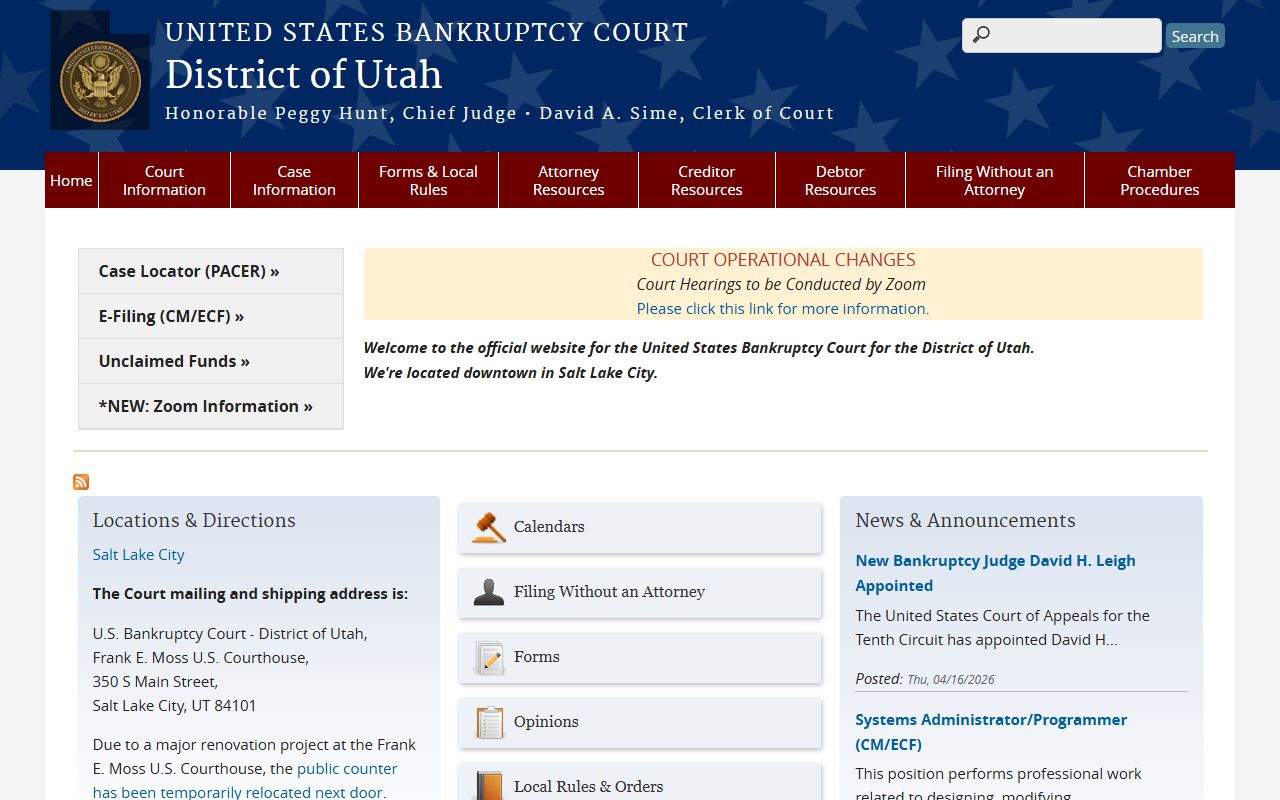
The U.S. Bankruptcy Court for the District of Utah runs its own court website, and a bankruptcy filing will not show up in a state warrant or criminal search.
If a federal warrant ends in custody, the person may be held in or moved through the federal system.
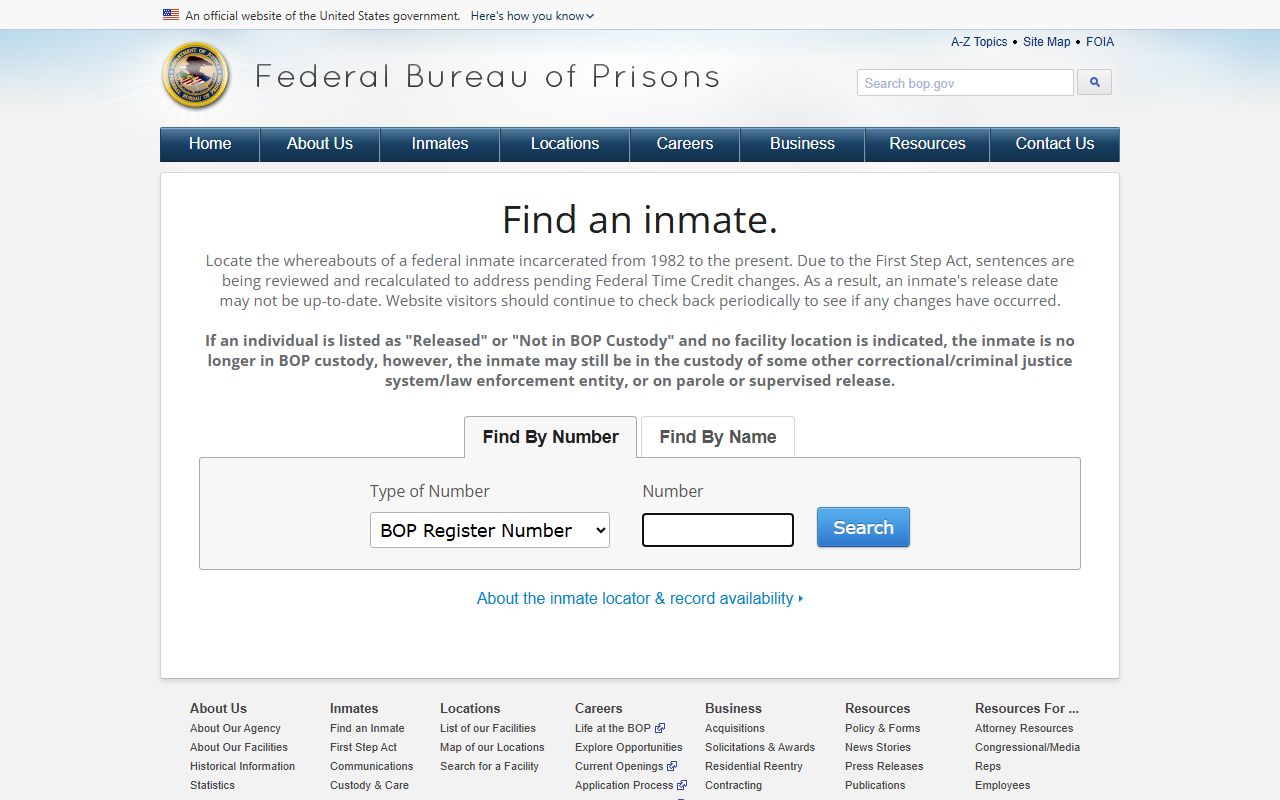
The Federal Bureau of Prisons inmate locator covers federal inmates from 1982 forward, not county jail bookings.
Crime victims can also set up alerts that cross state and local lines.
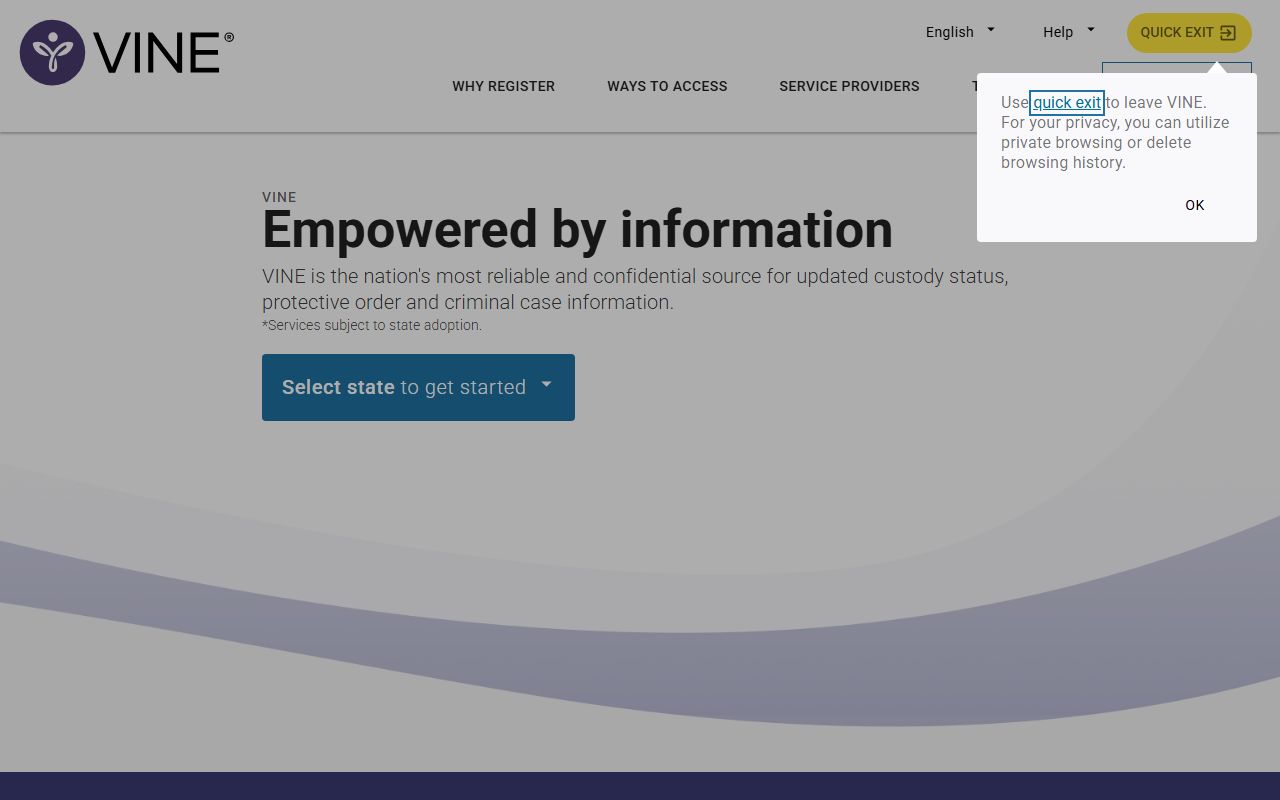
The VINELink service can flag a custody or release change for a named person, which helps when a warrant leads to a booking.
Restricted Salt Lake County Warrant Records
Not every warrant shows up in a public search. Some are held back by law or by court order. Pre-service arrest warrants can be restricted so a person does not flee before officers act. Sealed indictments and sealed search warrants stay hidden until a court unseals them.
Juvenile warrants and most juvenile court records are closed to the public. An empty result does not always mean there is no warrant.