
How to Look Up Salt Lake County Jail Population Data
The main tool is the Salt Lake County Jail Dashboard. It is an interactive page built by the county's Criminal Justice Advisory Council team with Sheriff Rosie Rivera. The dashboard pulls from the jail's own data system and updates every day. It gives a general picture of the current jail population, broken out by demographic makeup, booking agency, reason for jail stay, and length of stay.
Reading it is straightforward once you know the frame. Every figure is aggregate, so you see groups and totals, not named people. The snapshot shows who occupies a bed right now, which means a person booked and released the same day may never appear. There is also a separate ICE Dashboard with aggregate detail on people who have immigration detainers or holds.
For an individual, the dashboard is the wrong tool. The Jail Dashboard and the ICE Dashboard both deal in aggregate counts.
The ICE Dashboard answers a separate set of questions. The Sheriff's Office says it does not take part in the federal 287(g) program, does not check immigration status, and does not arrest people based on immigration status. The jail has limited contact with ICE as part of normal operations. The dashboard reports aggregate counts of people with ICE detainers or holds, people held on state or federal charges who also have an ICE hold, people released to ICE, and people booked directly by ICE.
Salt Lake County Jail Capacity Overview
The county runs two jails, the Metro Jail and the Oxbow Jail. Together they hold the adults booked in Salt Lake County. The daily dashboard reports how many beds are filled right now, but the fixed bed capacity of each facility shows up in county jail-capacity reports and council presentations rather than on the daily tool.
| Facility | What Is Published |
|---|---|
| Metro Jail | Bed counts appear in county jail-capacity reports, not the daily dashboard. |
| Oxbow Jail | Bed counts appear in county jail-capacity reports, not the daily dashboard. |
| Combined system | A daily count of occupied beds shows on the Jail Dashboard. |
So for a current count, read the dashboard; for capacity debates, look to county reports. The two jails are run to keep costs low and to cut repeat offenses through programs, a goal the Sheriff's Office repeats across its corrections pages.
Salt Lake County Average Daily Population
Average daily population, or ADP, is the average number of people held over a period. It smooths out the day-to-day swings that a single snapshot misses. The dashboard shows a current snapshot, while ADP figures come from county and state reports that track the jail over time.
ADP matters because one day's count can mislead. Weekends, large operations, and court schedules all move the number. A run of daily snapshots, or an official ADP figure, gives a steadier read than any single day does.
County leaders watch ADP closely when they plan beds, staffing, and budgets. A rising ADP can signal court backlogs or more pretrial holds, while a falling one can reflect reforms or faster case processing. Because the public dashboard is a snapshot, the steadier ADP figures usually come out in periodic county and state reporting.
Salt Lake County Demographic Breakdown
The dashboard breaks the current population into aggregate groups. It reports demographic makeup, the agency that booked each person, the reason for the stay, and how long people have been held. A domestic violence flag, set by the arresting officer at booking, is a simple yes or no. Housing status is self-reported at booking, and the county notes that homelessness itself is not a crime.
| Dashboard Metric | What It Shows |
|---|---|
| Demographic makeup | Aggregate gender, race, and age groups. |
| Booking agency | The agency that booked the person. |
| Reason for jail stay | The category behind the current stay. |
| Length of stay | How long current occupants have been held. |
| Domestic violence flag | A yes or no flag set by the arresting officer. |
| Housing status | Self-reported at booking; not a crime in itself. |
Juveniles are a clear gap in the adult numbers. They are handled in a separate court, and their records are restricted.
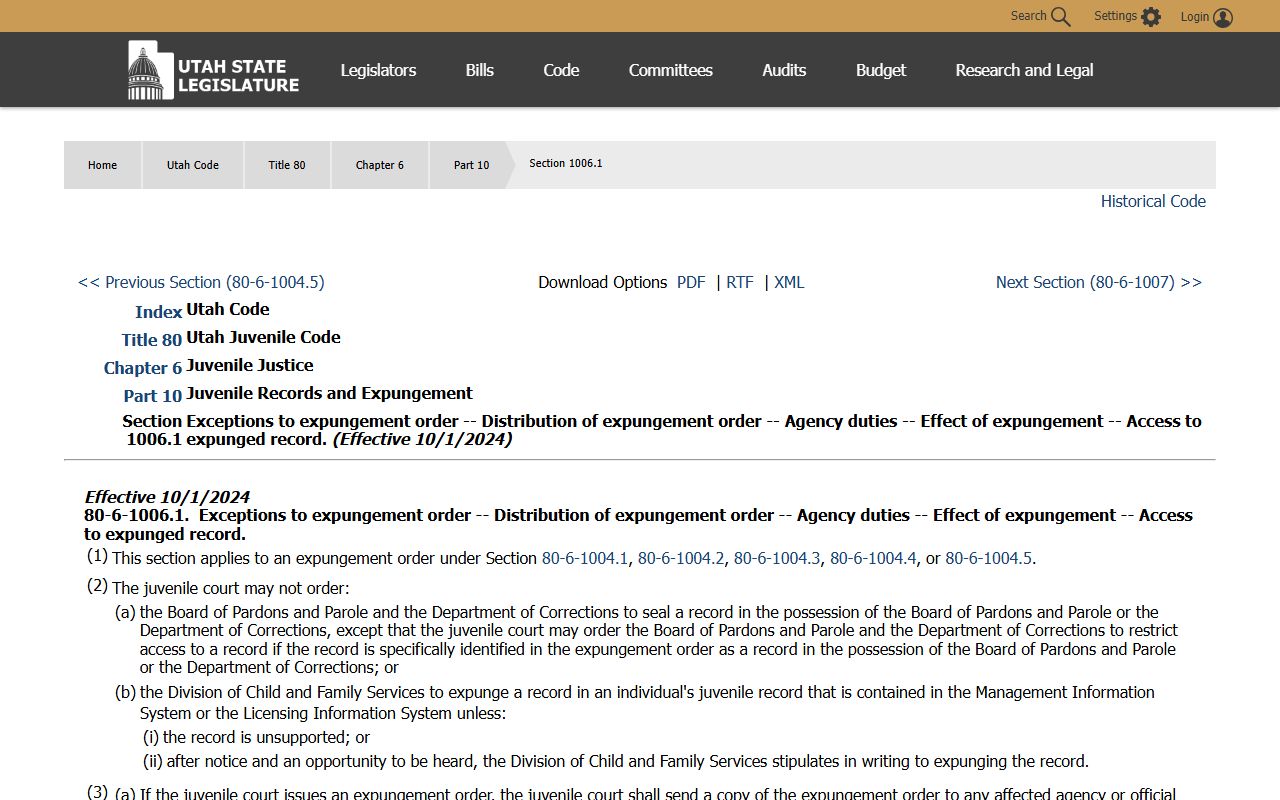
Utah Code 80-6-1006.1 sets what happens to juvenile records after an expungement order; agencies must expunge or destroy affected records, one reason juvenile counts do not sit in the adult jail data.
Pretrial vs. Sentenced in Salt Lake County
One of the most useful splits is pretrial versus sentenced. A pretrial person is held while a case is pending and has not been convicted. A sentenced person is serving time after a conviction. The dashboard's reason-for-stay categories capture this split at a high level.
| Pretrial | Sentenced | Hold | |
|---|---|---|---|
| Meaning | Held while a case is pending | Serving time after conviction | Held for another agency or a warrant |
| Convicted? | No | Yes | Varies |
The split also explains a lot about who fills the jail. Many people in a county jail have not been convicted of the current charge; they are waiting for a hearing, a plea, or a trial. Bail, release conditions, and pretrial screening all push that number up or down.
Pretrial numbers drive a lot of policy talk, because they reflect people held before any conviction.
Salt Lake County Misdemeanor vs. Felony Holds
The jail holds people on both misdemeanors and felonies. Felonies are the serious cases that run through the District Court. Misdemeanors and infractions usually move through the Justice Courts. The mix in the jail leans toward more serious holds, since many lower-level cases never lead to a jail stay at all.
The historical picture is also shaped by which records stay public. Utah lets people clear qualifying criminal cases.
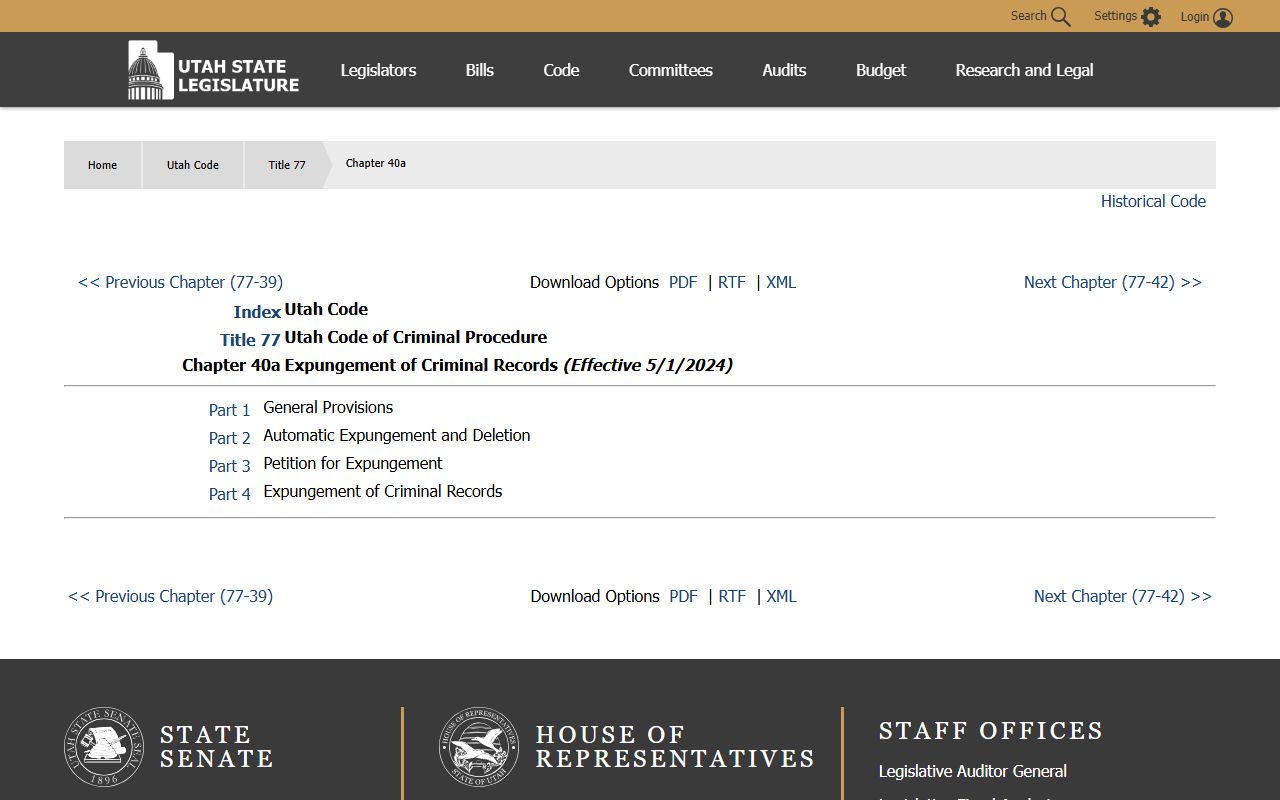
Utah Code 77-40a is the state's adult expungement law; an expunged case drops out of public criminal records, so long-run public data will not include it.
Charge level affects more than the stay itself. It changes which court hears the case, what penalties apply, and whether a record can later be cleared. A felony hold and a short misdemeanor stay look very different in the data, even when both show up as a current booking.
Mental Health and Medical Population
The dashboard draws a firm privacy line. It does not include health, mental health, substance use, or security status. Those details are sensitive, and releasing them could harm the person or the jail's security. The county says the data is meant to be informative without compromising privacy or safety.
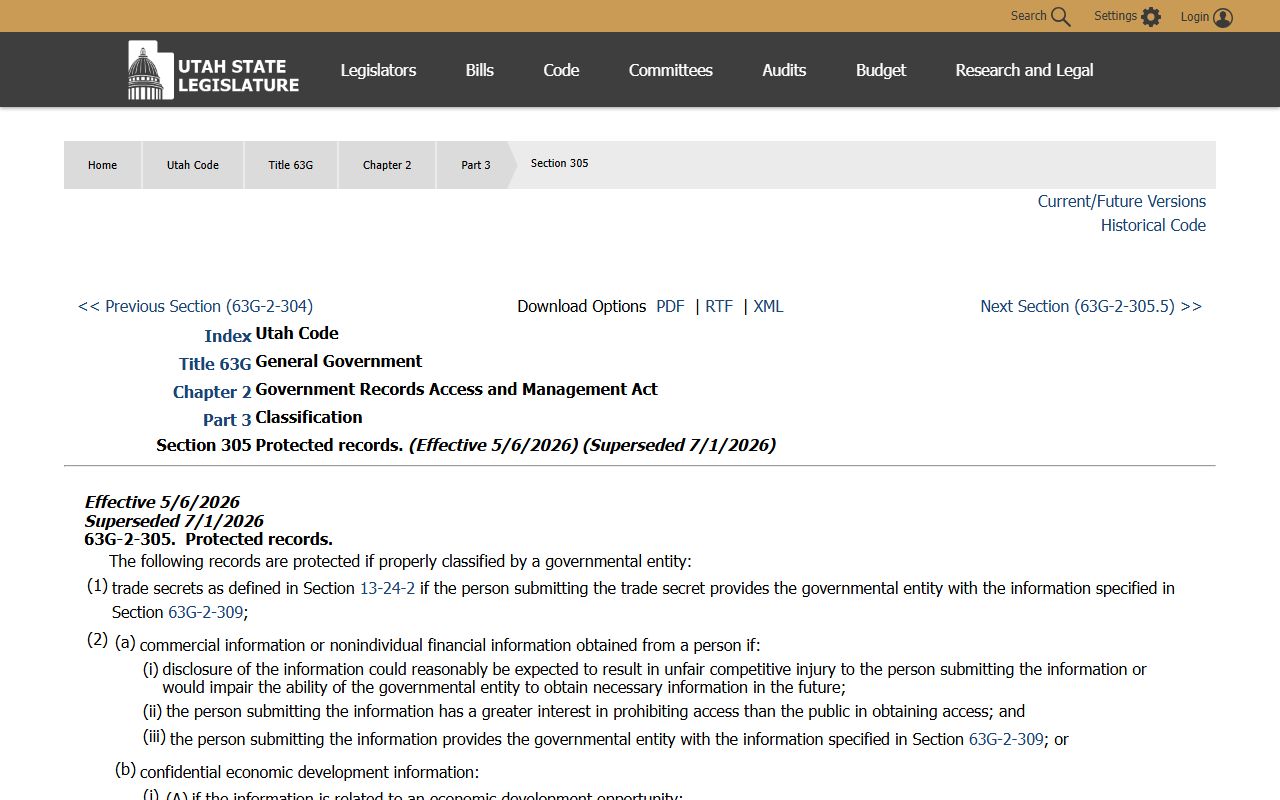
Utah Code 63G-2-305 defines protected records, including law enforcement and security information, which is part of why medical and security details stay out of the public jail data.
National and State Context
National and state numbers give the local data a frame. The federal Bureau of Justice Statistics, or BJS, publishes annual jail counts and pretrial and sentenced trends for the country and the states. Those reports help readers judge whether a county's mix looks typical.
| Level | Source | What It Reports |
|---|---|---|
| County | Salt Lake County Jail Dashboard | Daily snapshot of the local jail |
| State | Utah corrections and court reports | Statewide jail and prison context |
| National | BJS Jail Inmates reports | National counts and pretrial trends |
Use the national frame with care. A county snapshot taken on one day cannot be matched against a national yearly average without distortion. The safest reading compares like with like: county ADP against state ADP, or a county rate against a national rate for the same period.
Compare carefully. A snapshot, an annual average, and a national rate are not the same measure.
Salt Lake County Population Trends
Tracking change over time takes more than one screen. The daily dashboard is a snapshot, so trend analysis leans on county council and jail-capacity presentations and on auditor reports. National datasets add long-run county context, but the official county and BJS figures carry the most weight for public use.
Trend questions come up most in budget and reform debates. When the county weighs a new facility or a policy change, it leans on multi-year capacity and population reports, not a single day. Those documents, paired with BJS data, give the long view the dashboard cannot.
Juvenile trends sit apart again, with limited public access.
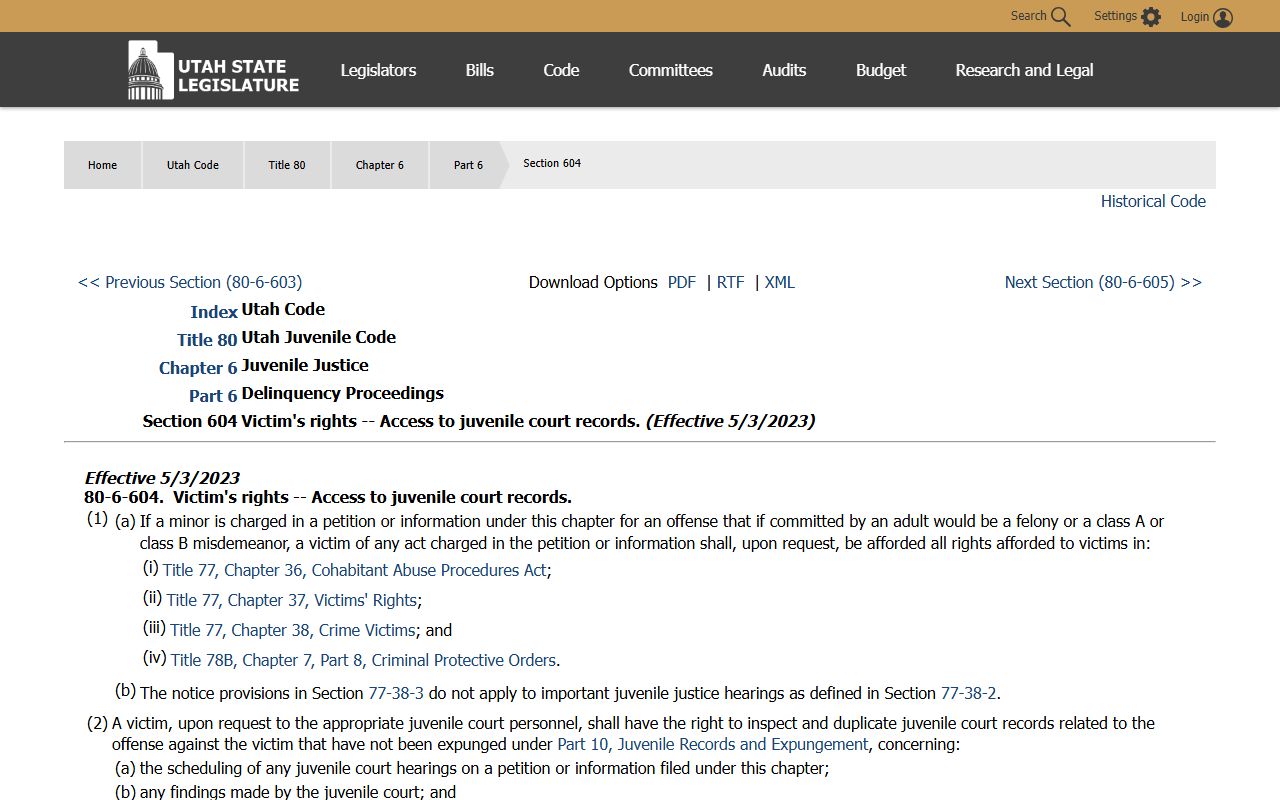
Utah Code 80-6-604 gives crime victims limited access to certain juvenile court records, and even that access is narrow, so juvenile numbers never flow into the public adult jail trend.
Searching for Salt Lake County Inmate Records by Name
This page covers population data, not individual lookups. To find a specific person in custody, the Jail Dashboard will not help, because its data is aggregate. Use the county's inmate roster for a name search instead. For full custody and booking detail, see Salt Lake County inmate records.
Where the Data Comes From
All the figures trace back to official systems. The current snapshot comes from the Salt Lake County Jail Dashboard, fed by the jail's data system. Historical and capacity numbers come from county reports. National context comes from BJS. Behind the counts sit the actual case records, and Utah law decides which of those are public.
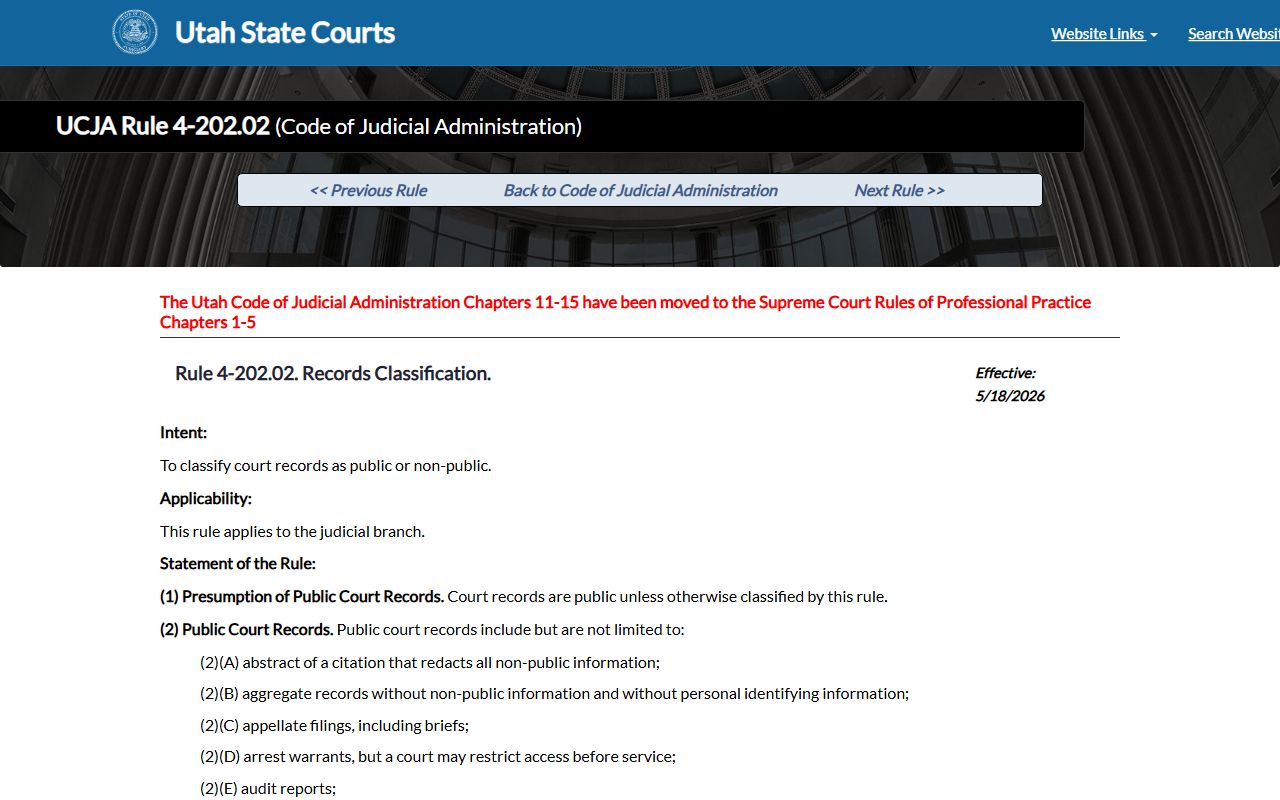
Utah's Rule 4-202.02 classifies court records as public or non-public, which decides which case files the public can see and shapes the record side of the data.
The Utah Code also defines specific case processes that produce their own records.
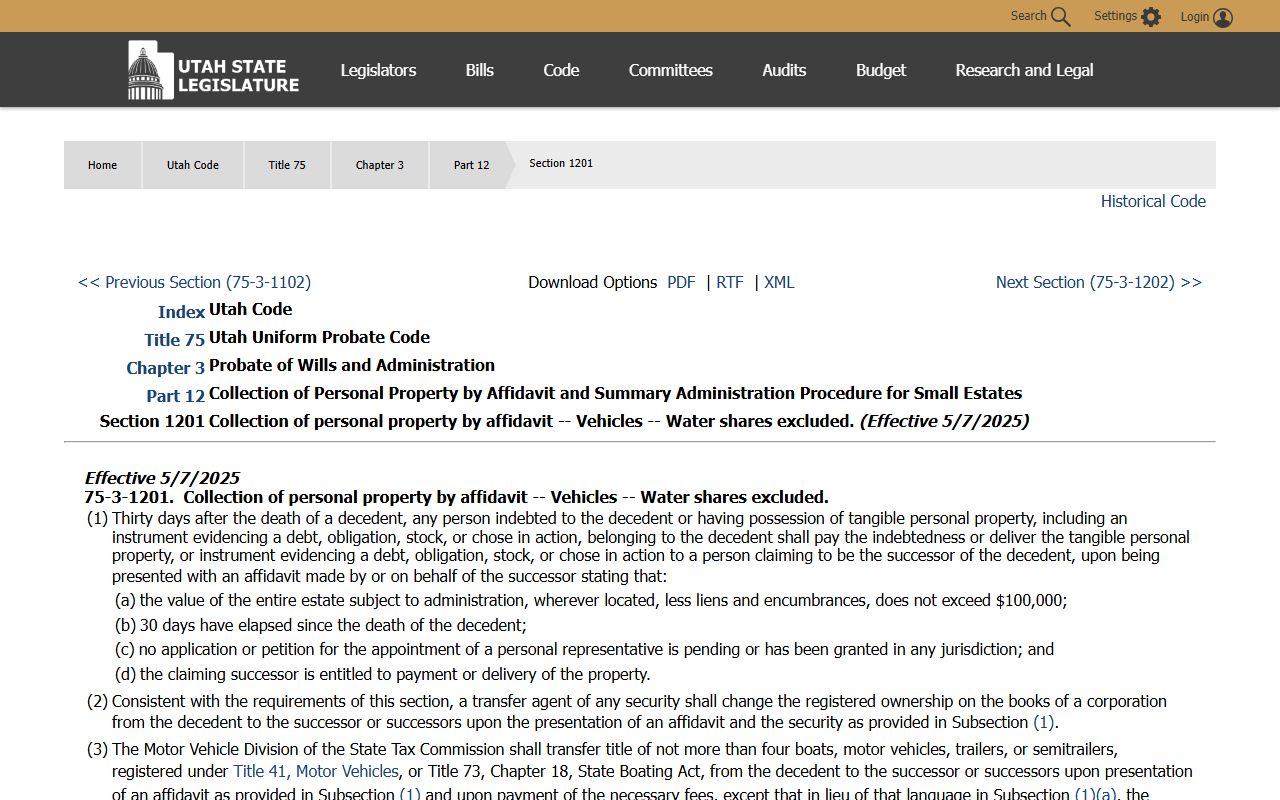
Utah Code 75-3-1201 sets the small-estate affidavit process, one example of a District Court record type under the same public-access framework; for that topic, see Salt Lake County probate records.