
How to Search Salt Lake County Traffic Court Records
Most traffic cases are searchable through Utah Courts XChange, the same system used for other court cases. XChange includes a citation-number field, so you can search a ticket directly. It also covers both Justice Court and District Court cases, which matters because traffic charges can sit in either one.
- Read the citation and note the court, the citation number, and the deadline.
- Open XChange and search by citation number, or by name with a date range.
- Set the search scope to Salt Lake County or the specific court to cut false hits.
- Allow time for a new ticket to be entered before you expect a result.
- Open the case to see the charge, the court date, and any balance due.
If a very recent ticket does not appear, that does not mean it was dropped. The court may not have entered it yet, so rely on the deadline printed on the citation and call the court if needed.
Which Courts Handle Traffic Cases in Salt Lake County
There is no single traffic court counter for the whole county. The citation names the court, and that court depends on where the ticket was written and by whom. A Salt Lake City Police ticket usually goes to the Salt Lake City Justice Court. A ticket in an unincorporated area or from a county agency can go to the Salt Lake County Justice Court.
Many cities run their own justice courts too. A citation in West Jordan, Sandy, Murray, Draper, South Jordan, Taylorsville, Midvale, Holladay, or Riverton can route to that city's court. More serious charges, like DUI or a felony-level traffic case, can move to the District Court.
So the first task is simple: read the citation and find the named court.
Types of Salt Lake County Traffic Cases
Traffic cases span a wide range, from minor to serious. The level of the charge decides the court, the penalty, and whether you must appear. Most are infractions or low-level misdemeanors, but some are full criminal cases.
- Infractions, such as most speeding tickets, usually payable without a court appearance.
- Class C and class B misdemeanors, like some reckless or repeat offenses.
- DUI and DWI charges, which are criminal and often require a court appearance.
- Commercial driver (CDL) violations, which carry extra license consequences.
- Accident, equipment, registration, and insurance citations.
The citation's charge and class tell you which bucket a case falls into, and whether online payment is even an option.
What Salt Lake County Traffic Court Records Show
Open a traffic case and the record lays out the ticket and its court history. The table maps the common fields to what each one tells you.
| Field | What It Shows |
|---|---|
| Citation Number | Links the ticket to the court record; not unique statewide. |
| Court Location | The court that holds the case and accepts filings. |
| Violation Date | The date of the alleged offense. |
| Statute / Ordinance | The state code or local ordinance cited. |
| Charge Description | The plain-English label for the violation. |
| Degree / Class | Infraction, class C, class B, or criminal level. |
| Mandatory Appearance | Whether you must appear or can pay online. |
| Fine / Bail Amount | The amount due or the bail schedule amount. |
| Plea / Disposition | Guilty, no contest, dismissed, amended, or plea in abeyance. |
| Warrant / FTA | Any failure-to-appear or warrant event. |
The disposition and any warrant line are the fields to read closely, since they show how the case ended or what still needs action.
Searching by Citation Number vs by Name
You can search a ticket two ways, and each has a catch. The citation number is the most direct link from the ticket to the court record. But citation numbers are not unique statewide, so a number alone can return more than one case.
| Field Label | Type | Required | Notes |
|---|---|---|---|
| Citation Number | Text | No | Direct but not unique statewide. |
| Citation Location | Dropdown | No | Narrows a citation-number search. |
| Last Name | Text | For name search | Spelling errors are a common issue. |
| Search Scope | Dropdown | No | Pick Salt Lake County or a court. |
| Jurisdiction | Radio | No | Justice Court for most traffic cases. |
The better workflow is a citation number plus the citation location, or a name plus the county and a date range. That cuts the noise from common names and shared numbers.
Paying or Contesting a Salt Lake County Traffic Ticket
Once you know the court, you can pay the ticket or fight it. Payable tickets often have an online or clerk payment option. To contest, you enter a not-guilty plea or request a hearing before the deadline. Do not assume online payment works for every case.
- Identify the exact court named on the citation.
- Search XChange after allowing time for the ticket to be filed.
- If payable, use the court's official payment system or call the clerk.
- To contest, enter a not-guilty plea or request a hearing before the deadline.
- Bring the citation, ID, and any proof of insurance, registration, or repair.
If you cannot afford a lawyer for a serious traffic or DUI charge, the county provides indigent defense services.
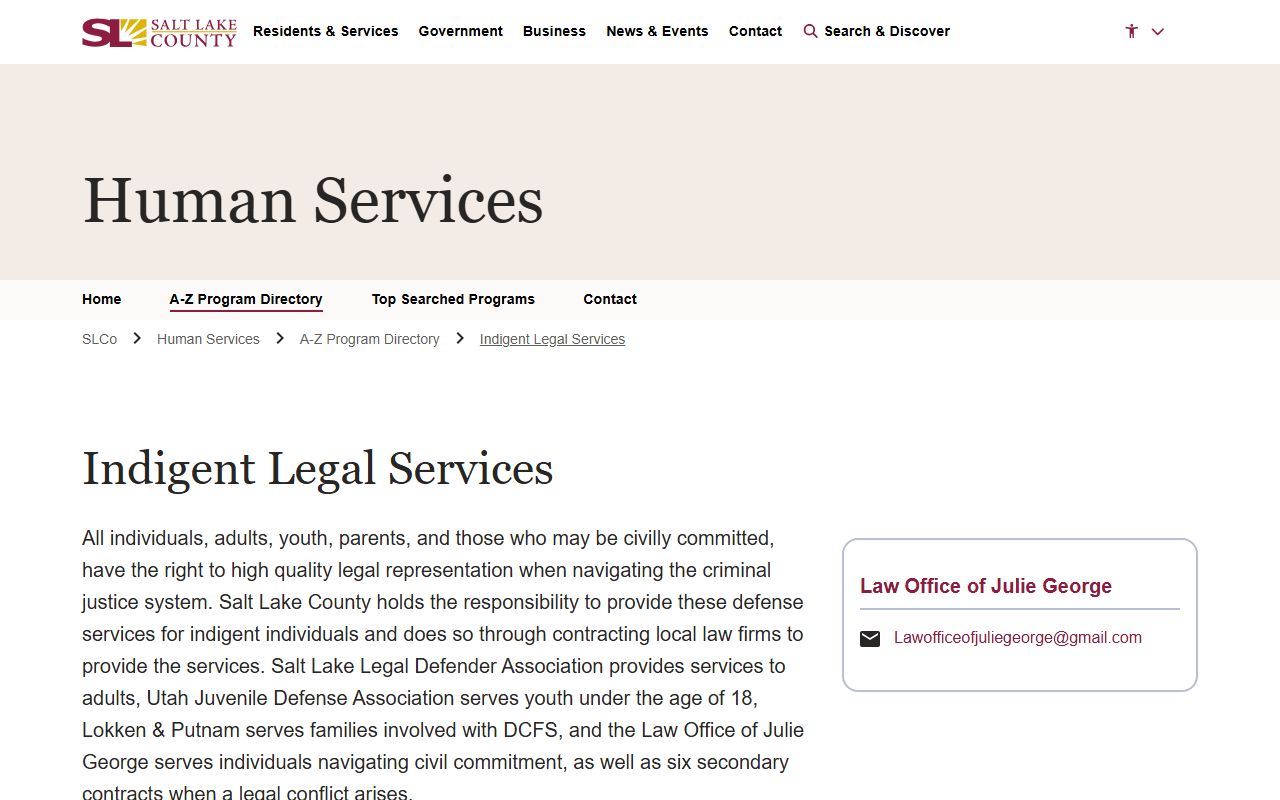
The county's indigent legal services page lists the defense providers the county contracts with for people who qualify.
Public Access Laws for Salt Lake County Traffic Records
Traffic court records follow the same public-access framework as other Utah court records. Court files are presumed public under the Code of Judicial Administration, with some records classified as non-public. The state open-records right for government records lives in Utah Code 63G-2-201, while court files are governed by court rules.
For traffic, that means most case dockets are public and searchable through XChange. A juvenile traffic matter, or a sealed or expunged case, is the exception and stays out of public view.
Court Traffic Records vs State Driver Records
This is the distinction that confuses most people. A court traffic record is the case file at the court. A driver record is your license history at the Utah Driver License Division. They are two different files kept by two different bodies. The table compares them.
| Topic | Court Traffic Record | Utah Driver Record |
|---|---|---|
| Keeper | Justice or District Court | Driver License Division |
| Purpose | Adjudication, fines, hearings, warrants | License status, points, suspensions |
| Search Source | XChange, clerk, payment portal | DLD official services |
| Shows Court Filings | Yes | No |
| Shows Points / License Action | Usually no | Yes |
| Shows Payment / Hearing Status | Yes, if current | No |
So clearing a court case does not always clear a license issue, and a license reinstatement can be a separate step from paying the court.
CDL and Commercial Driver Records
Commercial drivers face tougher rules. A CDL holder can lose the commercial license for violations that a regular driver would shrug off, and some charges cannot be hidden through a plea deal the way they once could. The court shows the charge and disposition, while the Driver License Division applies the reporting and disqualification rules.
Because the stakes are high, a CDL driver should not just pay a ticket online without weighing the license impact. A short talk with a lawyer can be worth far more than the fine. Even an out-of-state ticket can follow a commercial driver home, since the violation gets reported back to the license record.
Salt Lake County DUI and DWI Cases
DUI is not a simple traffic ticket. It is a criminal charge, it usually requires a court appearance, and it carries both court penalties and license consequences. A DUI case can run through a Justice Court or move to the District Court, and the District Attorney prosecutes the serious ones.
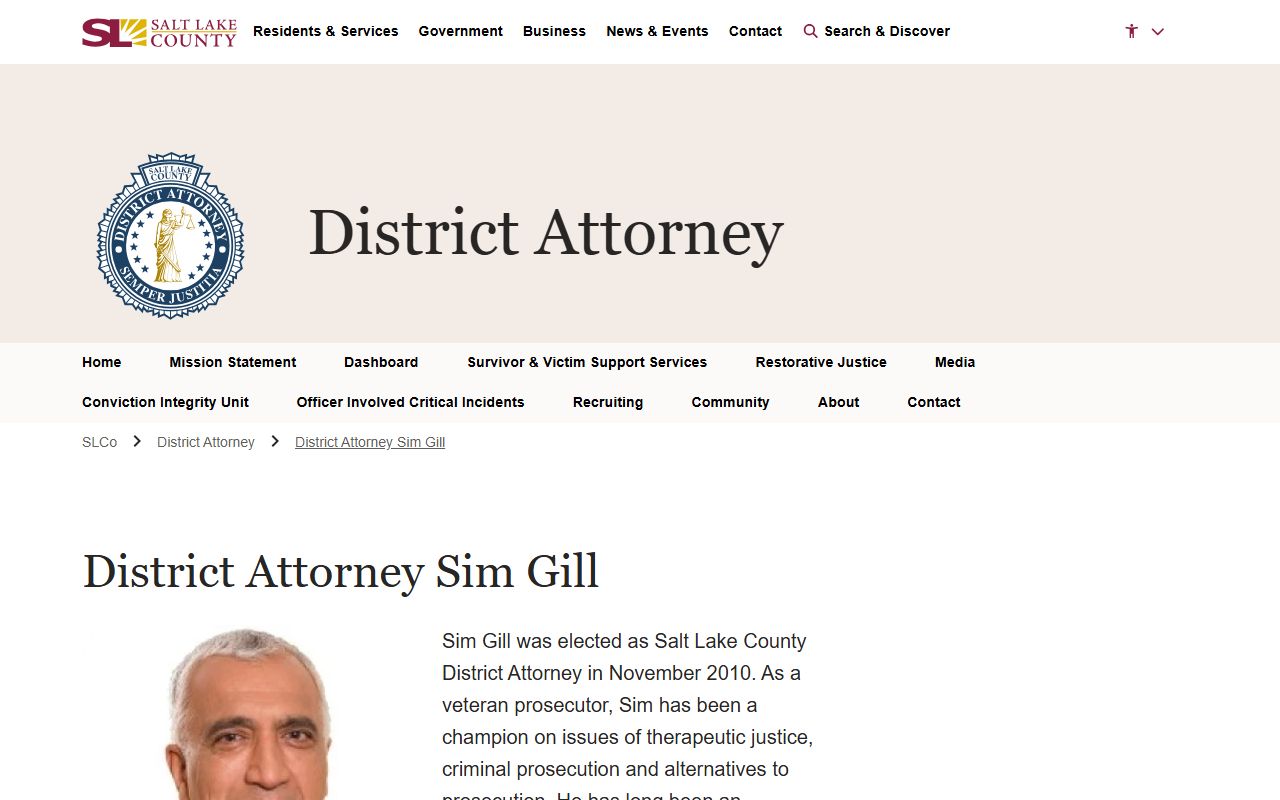
The Salt Lake County District Attorney, Sim Gill, leads the office that prosecutes serious cases, including many DUI matters. After a DUI arrest, the county also screens people for release.
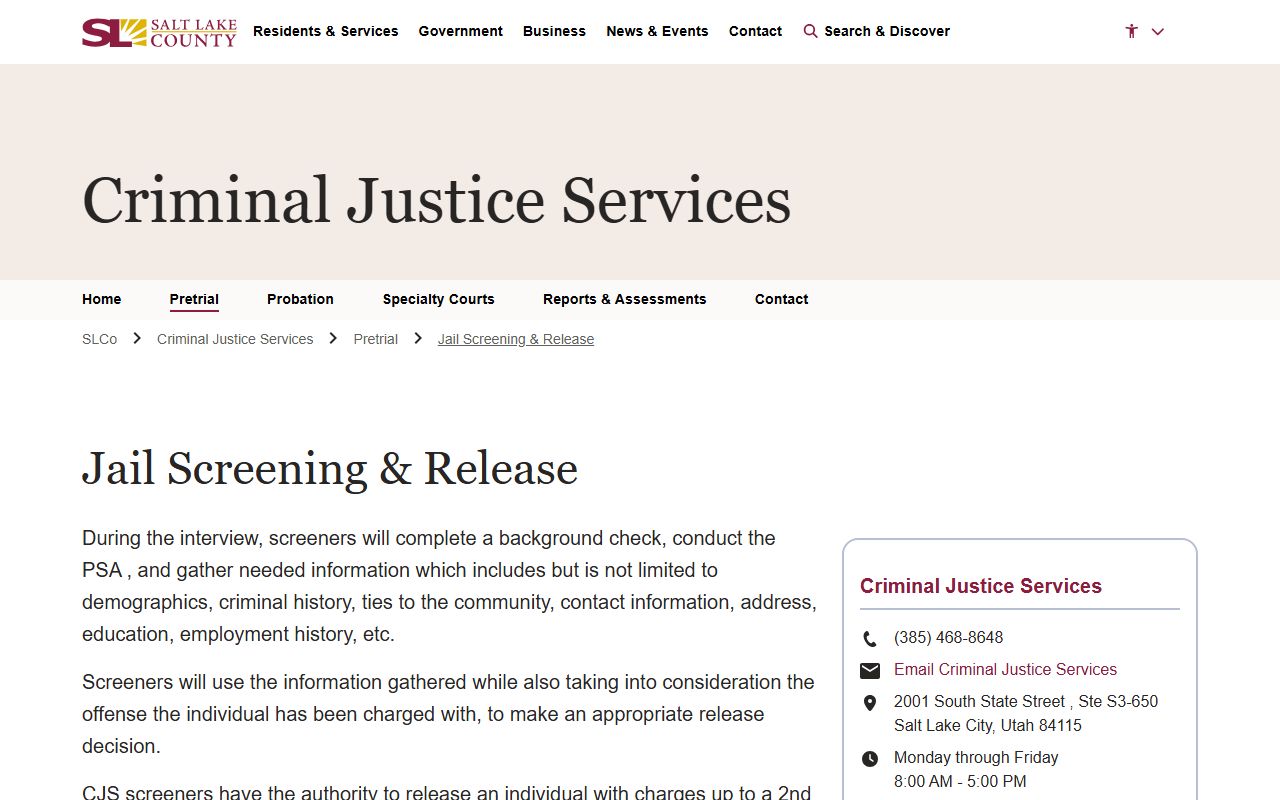
The county's jail screening and release page explains the pretrial process. For arrest and booking detail, see Salt Lake County arrest records.
Plea in Abeyance and Defensive Driving
Utah's version of deferred adjudication is the plea in abeyance. The court holds a plea while the person meets conditions, and if they succeed, the case can be reduced or dismissed. This shows up in the disposition field on a traffic record. A defensive driving course can sometimes help with points or a reduction, depending on the court.
These options can keep a conviction off a record, but they are not automatic. Ask the court what is available for your specific charge before you assume you qualify.
Sealing or Expunging Salt Lake County Traffic Records
Some traffic and criminal cases can be cleared from public view. Utah's expungement law, Utah Code 77-40a, sets when a person can expunge a qualifying record, and the process often starts with an eligibility certificate from the Bureau of Criminal Identification.
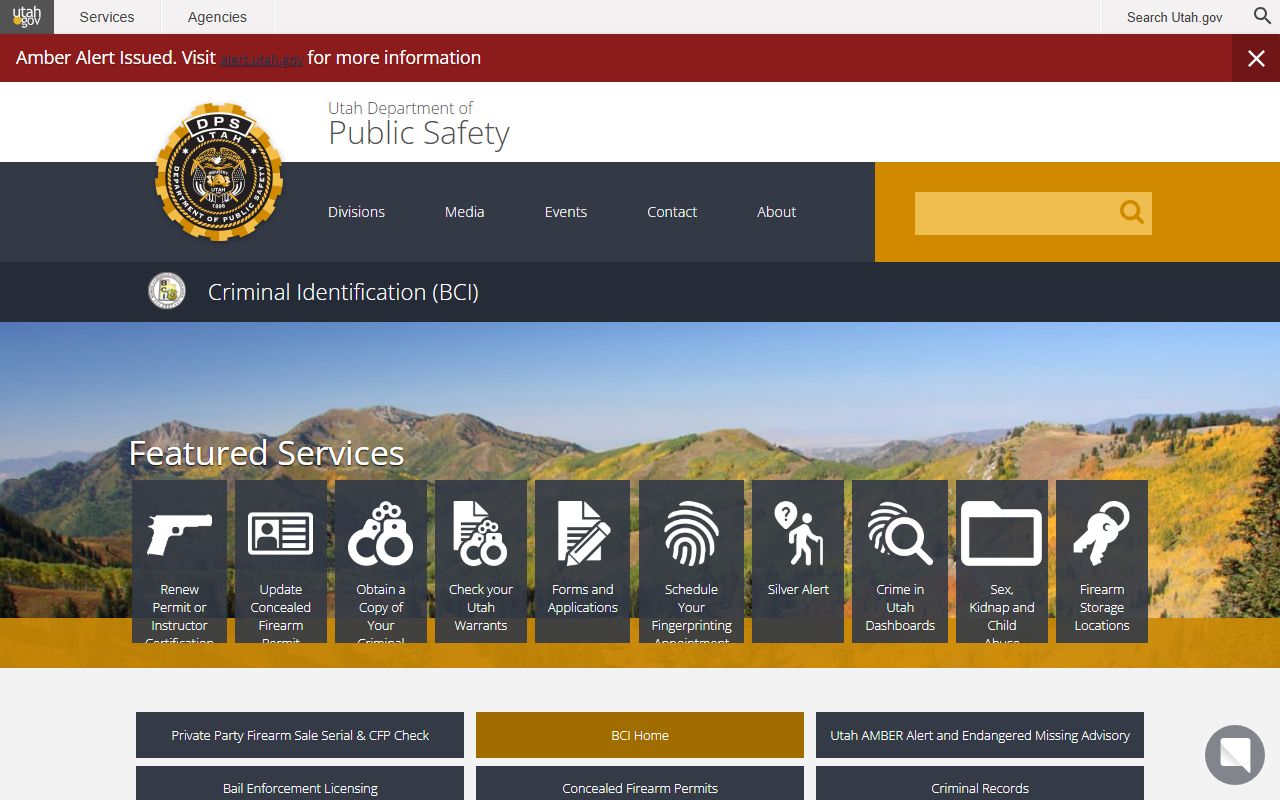
The Utah Bureau of Criminal Identification handles criminal history, warrants, and expungement certificates. A minor infraction is treated differently than a criminal traffic case, so check eligibility before you file.
Salt Lake County Traffic Record Fees
Traffic fees come in two kinds: what you owe on the case, and what a copy costs. Fines and bail follow the court's schedule, while copies follow the court fee schedule. A driver record from the state has its own separate fee.
| Item | Fee |
|---|---|
| Fine or bail | Set by the court's fine and bail schedule |
| XChange document | $1.00 each, where available |
| Certified court copy | Per the Utah Courts fee schedule |
| Driver record | Set by the Driver License Division |
Note: A mandatory-appearance case cannot be resolved by paying a fine online, so check the citation before you assume payment ends the matter.
Getting Help With a Salt Lake County Traffic Case
Help is available, especially for a serious charge. For people who cannot afford a private lawyer, the Salt Lake Legal Defender Association represents indigent adults in the county's courts.
The Salt Lake Legal Defender Association works in the Third District Court and the Justice Courts in the county. The county also runs Criminal Justice Services for pretrial and related support.
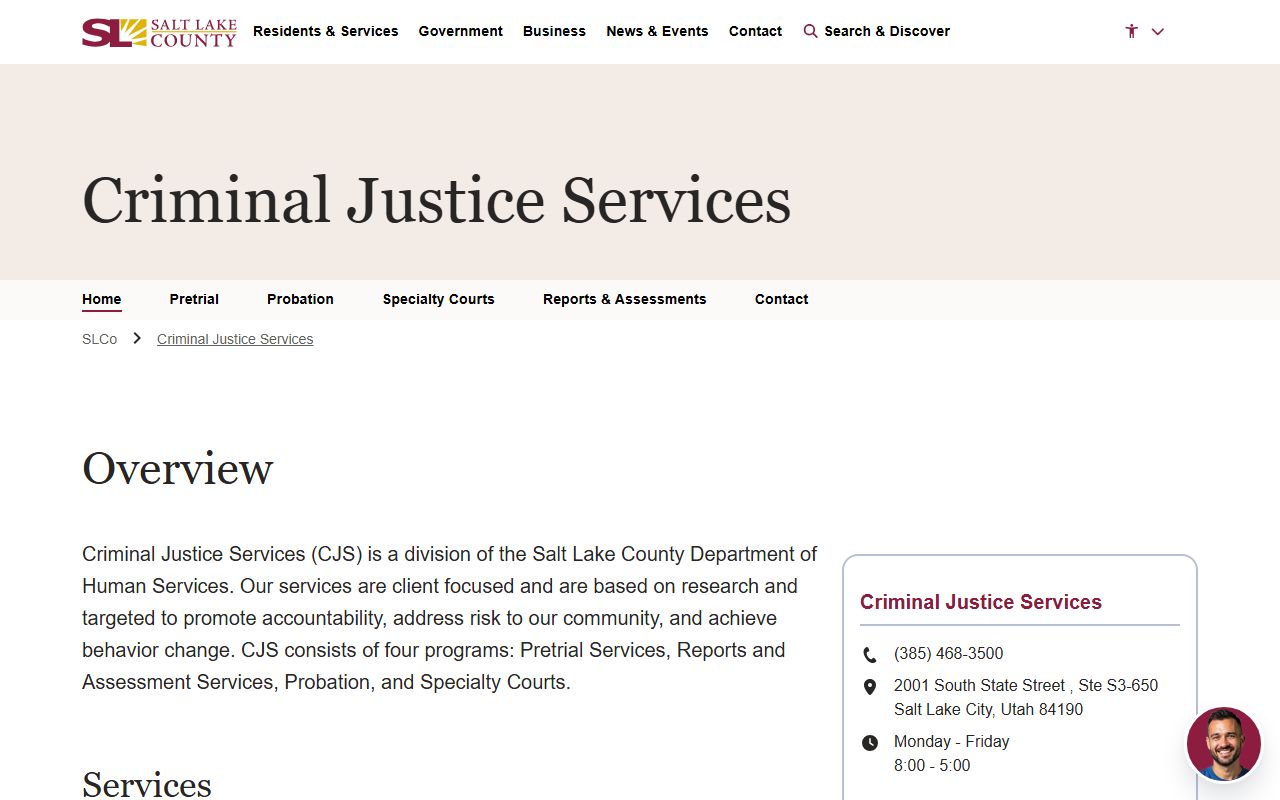
The Criminal Justice Services page covers pretrial, release, and assessments that can come into play in a DUI or serious traffic case.